
Forces With History #241--The RCN in the Korean War (Part 2)

The Royal Canadian Navy’s last wartime action where the enemy shot back was in the Korean War, 1950-53. As we saw in Forces With History #240, Canada sent three Tribal Class destroyers to serve under the United Nations banner in July, 1950. Over the next years no fewer than eight Canadian Tribals fought in Korean waters.
What was a Tribal? They were British-designed destroyers, ships of roughly 2,000 tons, 115 metres (377 feet) in length, and carried a complement of 14 officers and 245 ratings. Three boilers and two geared turbines could drive the ships at 36 knots (41 mph, 67 km/h).
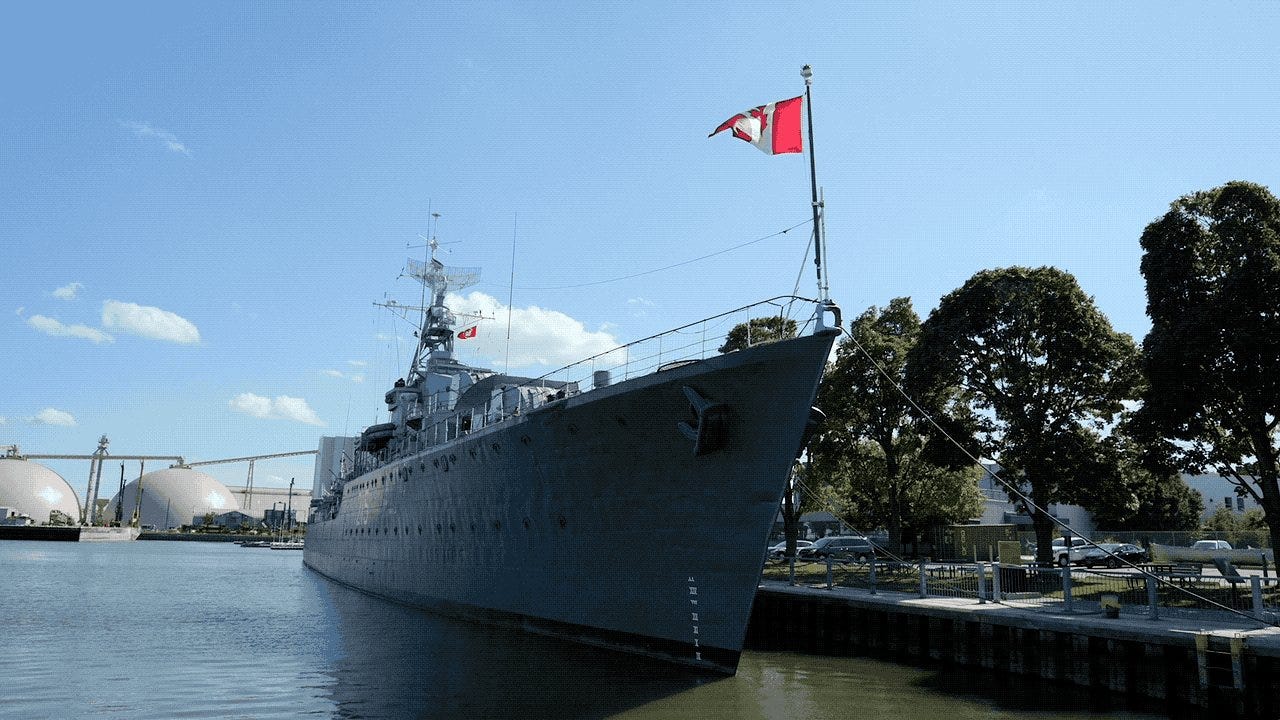
The only surviving Canadian Tribal is HMCS HAIDA, still floating serenely in Hamilton Harbour. She is designated the flagship of the RCN and is a National Historic Site. A visit is highly recommended!
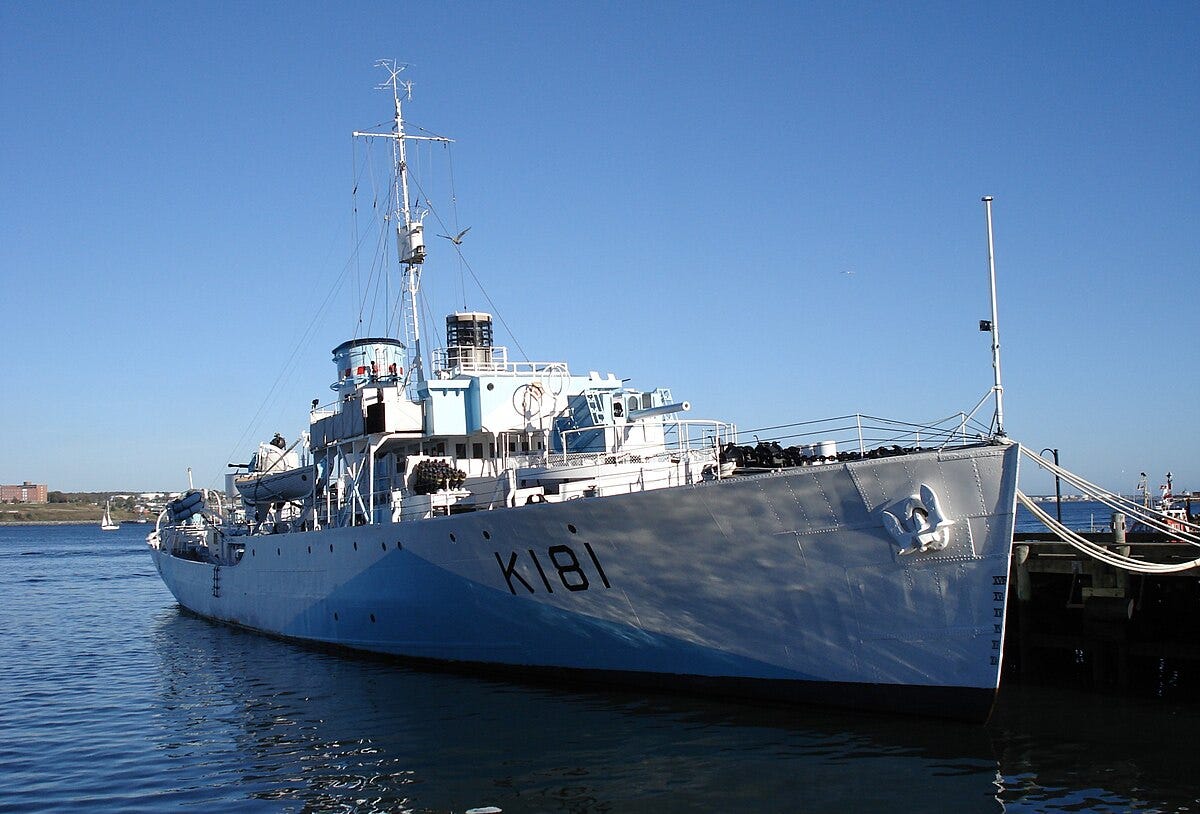
The Tribals in Korea were very different from the quintessential RCN ships that preceded them, the famous corvettes of Atlantic convoy duty. Still afloat as Canada’s Naval Memorial is HMCS SACKVILLE, below, with her single 4” gun.
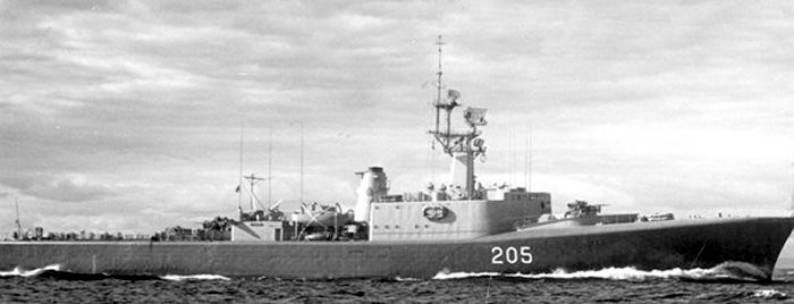
RCN ships that succeeded the Tribals in the Cold War were designed to detect and kill submarines, while resisting the effects of a possible nuclear war. Typical of them was HMCS ST LAURENT, the name ship of her class. She was launched in 1951.
RCN ships in Korea bristled with heavy guns, and their time in the Korean War made good use of those weapons. With multiple mountings of twin 4” guns and lighter anti-aircraft guns, the Tribals proved deadly in fights with shore batteries and enemy forces ashore. Here is HMCS HURON; much more about her and her sisters to come.
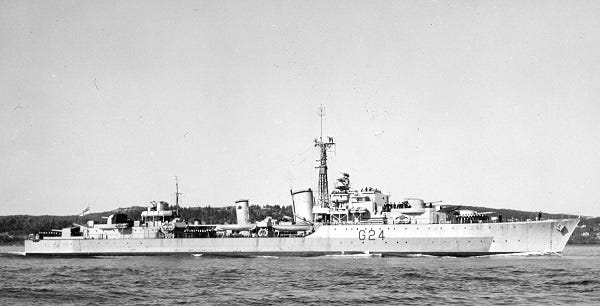
During my second summer cruise, 'circles in the Atlantic' we did work ups with HMCS Nootka which I think was the last of her class, I think she was paid off shortly after the summer of 1962.